EU-LIFE directors come together to discuss the future of research institutes
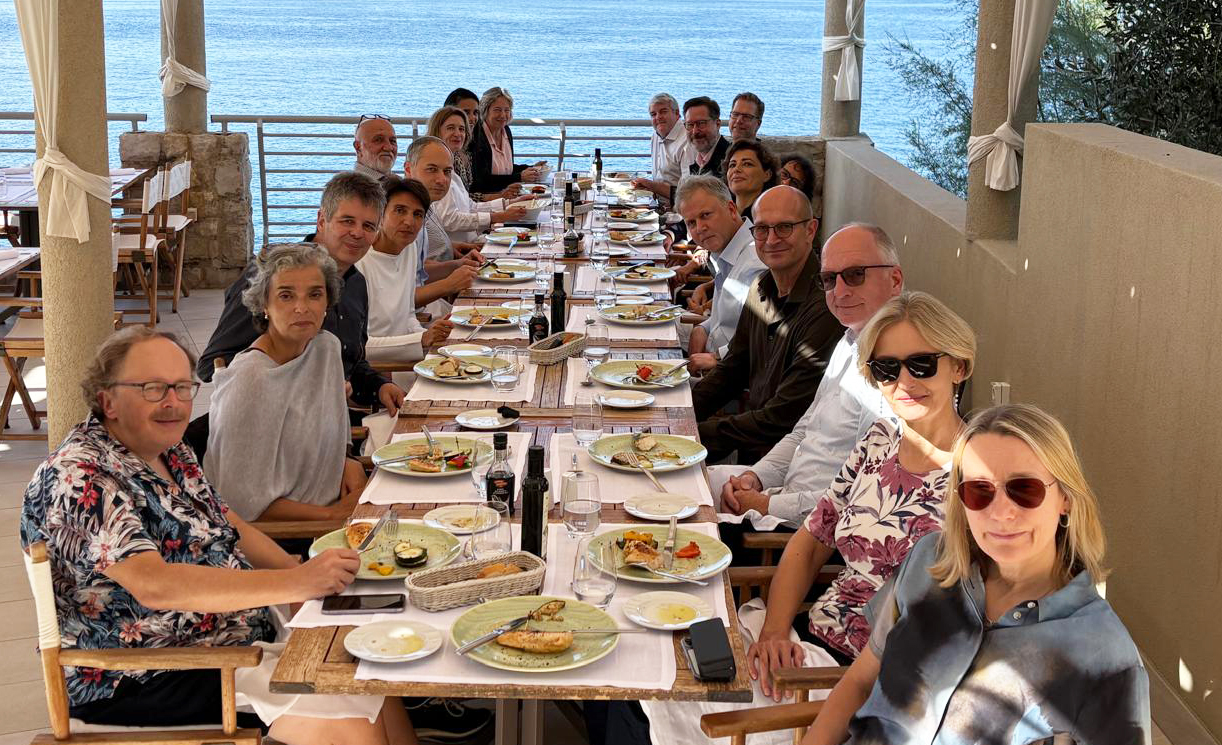
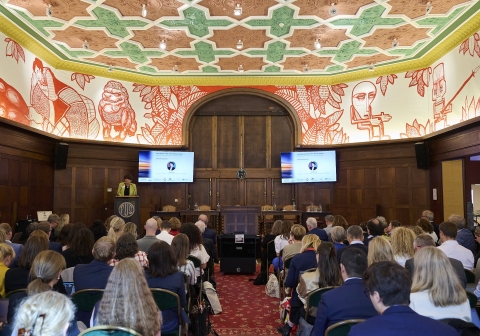
Last week, the directors of the 16 EU-LIFE member institutes gathered in Dubrovnik for a two-day retreat co-organised with the Ruđer Bošković Institute (RBI). The meeting created space to reflect on how research institutes may need to evolve over the near future, and to exchange views on AI and the realities of research leadership.
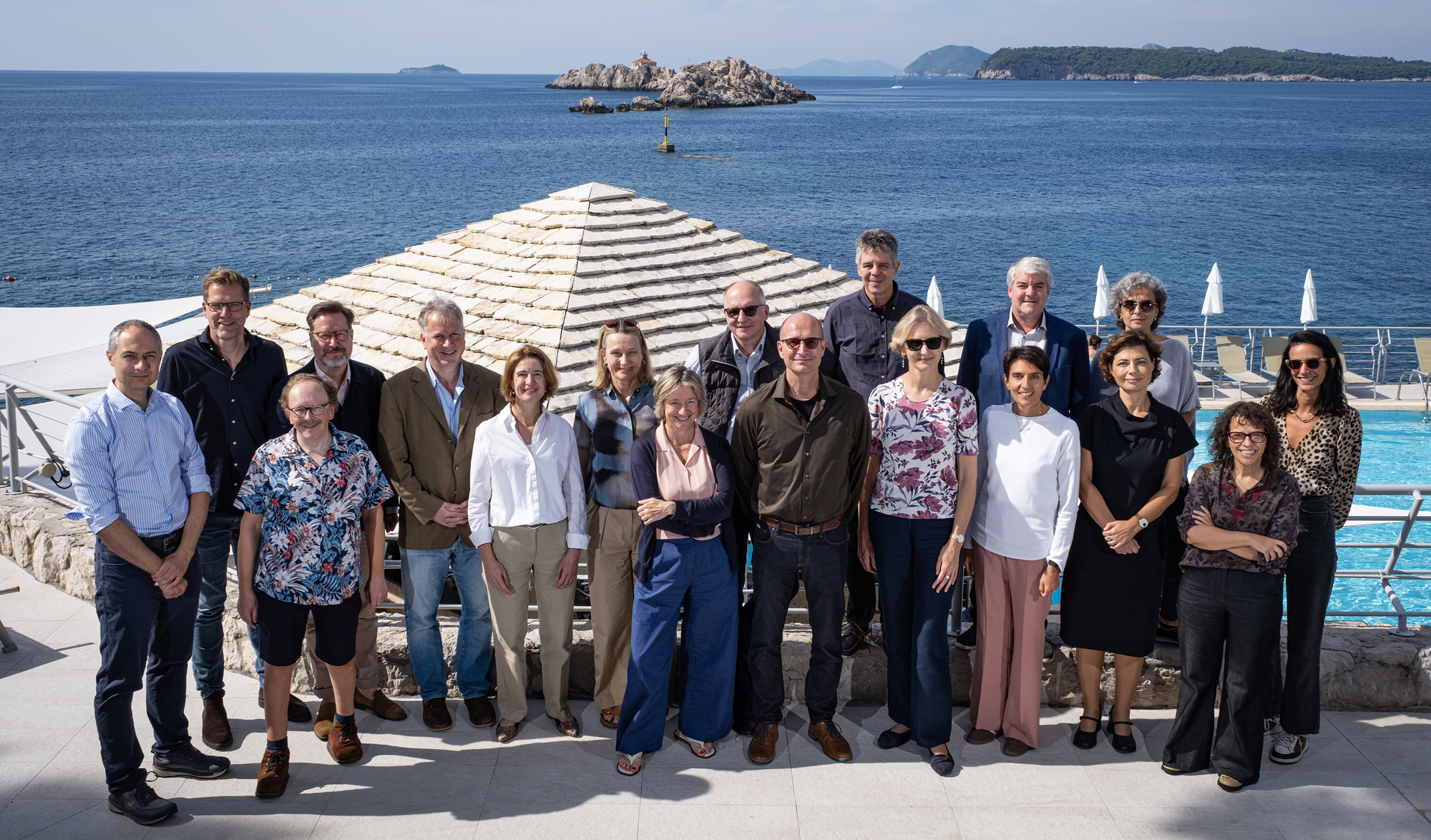
“What stood out to me in Dubrovnik was the energy and generosity with which our directors shared their perspectives. Leadership can be demanding, and the chance to think alongside peers who understand its realities is invaluable. It helps turn individual experience into collective insight that can inform decisions across our institutes and shape the environments in which research is done,” said Marta Miączyńska, Chair of EU-LIFE and Director of IIMCB.
What should the research institute of the future look like? The retreat began with directors bringing their perspectives together to shape a shared ambition for the next five to ten years, exploring the scientific, technological and structural changes that could help institutes meet future challenges.
A session on AI began with a presentation by invited external speaker Ewan Birney, Director of EMBL-EBI. Alongside its opportunities and risks, directors discussed what AI means for research institutes, which questions remain open and what still needs to be developed. They then considered where their own institutes stand and what could help them move forward. The session aimed to identify shared challenges and enabling factors, while giving each director food for thought to take back to their institute.
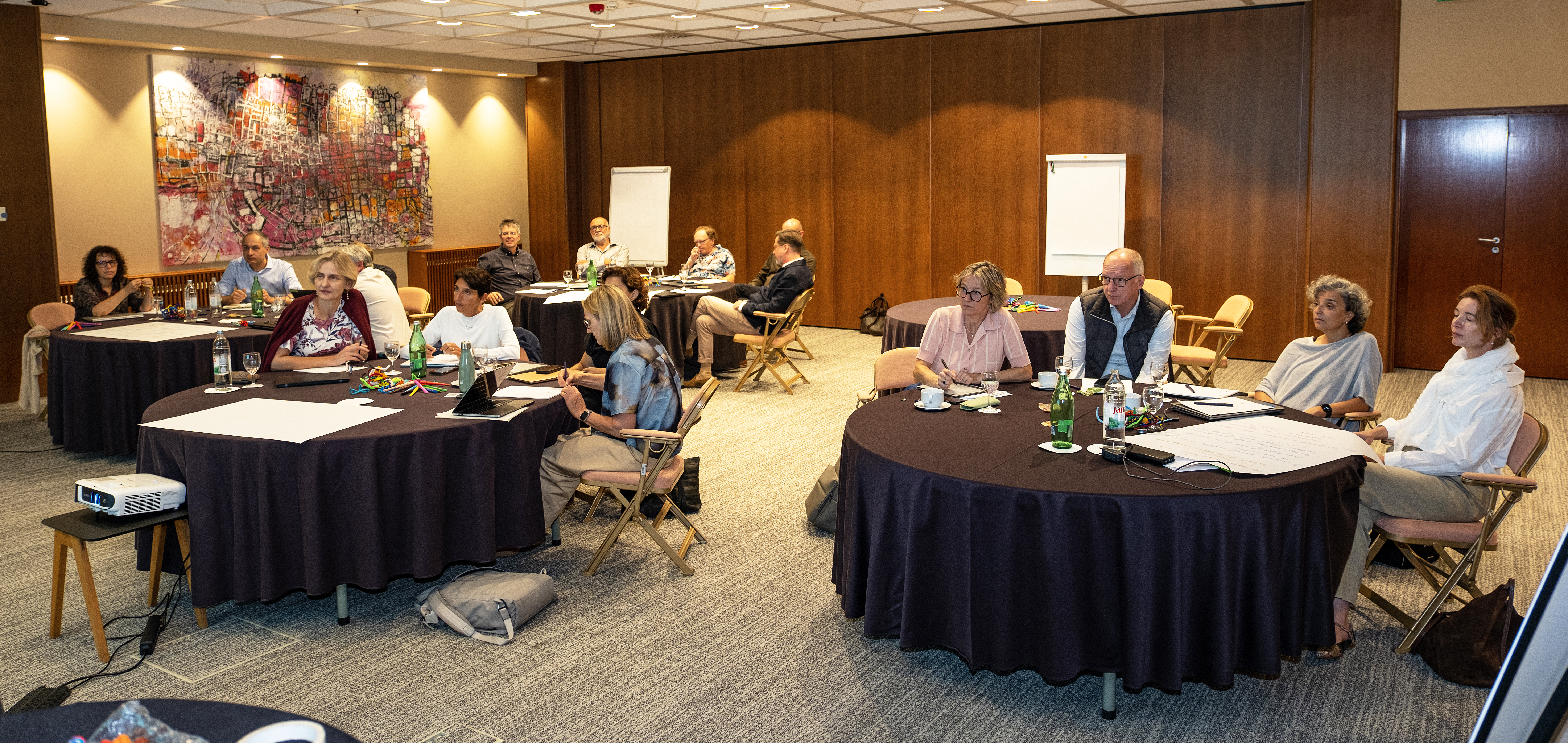
The retreat also focused on peer support around current leadership challenges. Through structured exchange, directors had the opportunity to share their experiences and offer one another practical input that could be useful in their own institutes.
“Research institutes are essential to science, and their leaders need space to think strategically about the future. One of EU-LIFE’s strengths is bringing this leadership community together. By building a critical mass of leaders who can exchange ideas and work collectively, we can help shape the scientific environment,” said Marta Agostinho, Executive Director of EU-LIFE.
A guided walk through Dubrovnik’s Old City and a shared dinner gave participants further time to continue conversations and strengthen connections across the EU-LIFE community.